

This company has no active jobs
About Us
5 Killer Quora Answers To Beans To Cup
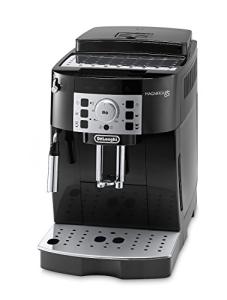
From Beans to Cup: The Journey of Coffee
Coffee is more than simply a beverage; it’s a global phenomenon that starts its journey from small farms to the cup you drink. Understanding this journey not only deepens gratitude for the beverage itself but also highlights the environmental, social, and economic aspects associated with coffee production. This blog post will guide the reader through the whole process, from the cultivation of coffee beans to the moment the abundant liquid hits your cup.
The Coffee Plant: Where it All Begins
The coffee journey starts with the coffee plant, primarily renowned for two primary types: Arabica (Coffea arabica) and Robusta (Coffea canephora). Each has unique attributes, from taste profiles to growing conditions.
| Coffee Species | Taste Notes | Caffeine Content | Growing Altitude |
|---|---|---|---|
| Arabica | Sweet, fruity, floral | Lower | 2,000 – 6,000 feet |
| Robusta | Strong, earthy, bitter | Higher | 600 – 3,600 feet |
The growing conditions for coffee are quite particular and involve elevation, environment, and soil quality.
Native Regions
Coffee originally comes from Ethiopia, where legend suggests it was discovered by a goatherd named Kaldi. Today, the most popular coffee-growing regions include:
- Central & & South America (Colombia, Brazil, Guatemala)
- East Africa (Ethiopia, Kenya)
- Southeast Asia (Vietnam, Indonesia)
Cultivation of Coffee Beans
Gathering
The coffee growing process requires careful attention, particularly during the gathering stage. Here are representative techniques:
- Hand-Picking: Preferred for premium Arabica beans, where only the ripest cherries are chosen.
- Mechanical Harvesting: Commonly used for Robusta, enabling performance however typically consisting of unripe cherries.
| Collecting Method | Pros | Cons |
|---|---|---|
| Hand-Picking | Quality control | Labor-intensive |
| Mechanical Harvesting | Faster and cost-effective | Lower quality |
Processing Coffee Cherries
Once collected, the coffee cherries should be processed to extract the beans. The two primary methods are:
- Wet Processing: Cherries are depulped, fermented, and cleaned. This approach produces cleaner tastes.
- Dry Processing: Cherries are sun-dried and hulled. This results in a stronger, more robust flavor.
Roasting: Transforming Beans into Aromatic Gold
Roasting is an essential action that transforms green coffee beans into the aromatic delights that coffee lovers adore.
Coffee Roast Levels
Roasting can be classified into numerous levels:
- Light Roast: Fruity and acidic, keeping most of the bean’s original flavor.
- Medium Roast: Balanced taste with a mix of level of acidity and sweet taste.
- Dark Roast: Bold, rich, and frequently has a smoky flavor.
| Roast Level | Attributes | Flavor Profile |
|---|---|---|
| Light | Moderate acidity, fruity | Floral, berry, citrus |
| Medium | Well balanced sweetness | Caramel, nutty |
| Dark | Low acidity | Chocolate, smoky, bitter |
Brewing Methods: Bringing It All Together
When roasted, the coffee beans are ground and brewed. Different techniques impact extraction and flavors, resulting in a plethora of brewing options, including:
- Drip Brew: The most typical technique, providing consistent flavor.
- French Press: Offers abundant, full-bodied coffee due to the longer steep time.
- Espresso: For a focused shot, including high pressure and carefully ground coffee.
- Put Over: Allows for more control over developing time and temperature.
| Brewing Method | Time | Flavor Profile |
|---|---|---|
| Drip Brew | 5-6 min | Clean, constant |
| French Press | 4-5 minutes | Full-bodied, robust |
| Espresso | 20-30 sec | Rich, focused |
| Pour Over | 3-4 min | Bright, nuanced flavors |
From Farm to Table: Sustainability Matters
The coffee industry faces various obstacles, consisting of environment modification, logging, and reasonable trade practices. Lots of companies are working towards more sustainable practices:
- Fair Trade: Ensures farmers get fair wages and promotes sustainable farming.
- Shade-Grown Coffee: Grown under trees to preserve the ecosystem.
- Organic Coffee: Grown without artificial fertilizers or pesticides.
Regularly Asked Questions (FAQs)
1. What is the distinction in between Arabica and Robusta?
Arabica coffee typically has a sweeter, more complex flavor, while Robusta tends to be more powerful and more bitter. Arabica is also lower in caffeine.
2. How should coffee beans be stored?
To maintain freshness, store coffee beans in an airtight container far from light, heat, and wetness.
3. What brewing technique produces the greatest coffee?
Espresso is often considered as among the strongest brewing techniques due to the high pressure used, resulting in a concentrated shot of coffee.
4. Can coffee be grown anywhere?
While coffee can be grown in numerous locations, it prospers in specific environments, especially in the “coffee belt,” where temperature levels remain mild and consistent.
5. What are some indications of quality coffee?
Look for beans with an uniform color, no fractures, and an abundant aroma. Premium coffee will have unique flavor notes depending on their origin and processing approach.
Determining the journey of coffee from Beans To Cup, click through the up coming web site, exposes an intricate interplay of farming, trade, and culinary art. As millions delight in this treasured drink daily, an understanding of its journey engenders a deeper appreciation for the complexities involved. Efforts towards sustainability and ethical sourcing mean that every cup not just warms your spirit however likewise supports a more responsible coffee culture. So the next time you take pleasure in that aromatic brew, take a moment to assess the journey it has actually made from farm to cup.