
This company has no active jobs

Robot Vacuum And Mop
(0)About Us
The 9 Things Your Parents Teach You About Best Robot Hoover
The Rise of the Autonomous Cleaner: Finding the Best Robot Hoover for Your Home
In today’s fast-paced world, the desire for benefit and efficiency is ever-present. One area where this desire has actually manifested itself strongly remains in home cleaning. Gone are the days when vacuuming was a laborious chore confined to weekends. Go into the robot hoover, a marvel of modern-day innovation created to autonomously tackle dust, dirt, and pet hair, maximizing important time for property owners and renters alike. Picking the “best” robot hoover, however, can feel like navigating a complicated technological landscape. With a wide variety of brand names, features, and price points flooding the market, comprehending what to search for is essential to making an informed decision.
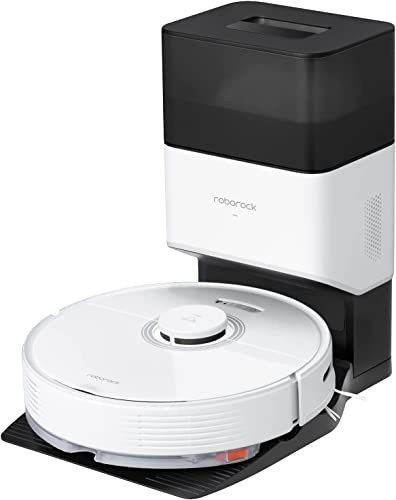
This post will look into the world of robot hoovers, exploring their benefits, key functions to think about, different types offered, and how to guarantee you choose the very best robotic vacuum cleaning buddy for your particular needs and home environment.
The Undeniable Appeal: Why Robot Hoovers Are Becoming Household Essentials
The popularity of robot hoovers is not simply a short lived trend. It originates from authentic advantages that resonate with modern-day lifestyles. These intelligent cleaning gadgets use a variety of advantages that contribute to a cleaner home and a more unwinded house owner.
Here are some key advantages that make robot hoovers increasingly searched for:
- Time Savings: Perhaps the most significant benefit is the time conserved. Instead of devoting precious hours to vacuuming, you can set your robot hoover to clean up while you are at work, running errands, or just unwinding. This recovered time can be invested in hobbies, household, or other crucial tasks.
- Constant Cleanliness: Robot hoovers are developed to clean routinely, typically day-to-day. This constant cleaning schedule assists preserve a greater level of tidiness in your home, decreasing the accumulation of dust and irritants.
- Convenience and Automation: The autonomous nature of robot hoovers is exceptionally practical. Numerous designs can be controlled via smartphone apps, enabling you to set up cleans up, begin and stop cycles remotely, and even monitor their development. This automation streamlines the cleaning procedure significantly.
- Reaching Difficult Areas: Robot hoovers are normally created with a low profile, allowing them to navigate under furnishings like beds and sofas, locations typically missed with standard vacuum. This makes sure a more comprehensive clean across the entire floor surface.
- Pet Hair Management: For pet owners, robot hoovers are a game-changer. They are proficient at getting pet hair, dander, and tracked-in debris, helping to handle the constant shedding and mess related to furry buddies.
- Decreased Physical Strain: Vacuuming can be physically demanding, especially for people with mobility concerns or back issues. Robot hoovers get rid of the pushing, pulling, and flexing related to traditional vacuuming, making cleaning available to a wider range of people.
Browsing the Features Landscape: What to Look for in a Robot Hoover
Selecting the right robot hoover includes considering a number of key functions to ensure it satisfies your particular requirements and home environment. Here’s a breakdown of essential elements to examine:
-
Navigation System: This is the “brain” of the robot hoover.
- Random Bounce Navigation: Basic models use this system, bouncing randomly around the room until they cover the area. They are less efficient and might miss spots.
- Methodical Navigation (Line-by-Line or Room-by-Room): More innovative models use sensing units and mapping technology (like gyroscopes, cams, or LiDAR) to clean up in a structured pattern. This is even more effective and guarantees detailed coverage.
- Mapping and Room Recognition: Premium designs create a map of your home, enabling for zoned cleaning, virtual boundaries, and room-specific cleaning schedules. This is perfect for larger homes or those with specific cleaning requirements for different spaces.
-
Suction Power and Cleaning Performance: Suction power identifies how successfully the robot hoover chooses up dirt and debris.
- Consider floor types: Homes with carpets need higher suction power than those with primarily tough floorings.
- Pet Hair Specific Models: Look for models particularly designed for pet hair, often featuring more powerful suction and specialized brush rolls.
-
Battery Life and Charging: Battery life dictates the period of a cleaning cycle.
- Consider your home size: Larger homes require longer battery life.
- Auto-Recharge and Resume: Many designs instantly return to their charging dock when the battery is low and can resume cleaning where they left off. This is an essential feature for bigger homes or longer cleaning cycles.
-
Dustbin Capacity and Emptying: The dustbin size determines how often you need to clear it.
- Bigger dustbins require less regular emptying.
- Self-Emptying Docks: Some high-end designs come with self-emptying docks that instantly empty the robot’s dustbin into a larger container, additional reducing maintenance frequency.
-
Brush System: The brush system is critical for efficient debris elimination.
- Main Brush Roll: Look for a mix brush roll (bristles and rubber fins) for effective cleaning on both carpets and hard floorings.
- Side Brushes: Side brushes assist sweep particles from edges and corners into the path of the primary brush.
-
Filtering System: The purification system records dust and irritants.
- HEPA Filters: Essential for allergic reaction victims, HEPA filters trap great dust particles and allergens, improving air quality.
-
Smart Features and App Control: Modern robot hoovers typically come with smart features and app control.
- Scheduling: Set cleaning schedules for particular times and days.
- Zone Cleaning: Define specific locations to tidy or prevent.
- Virtual Boundaries: Create unnoticeable walls to prevent the robot from getting in certain locations.
- Voice Control Integration: Some models integrate with voice assistants like Amazon Alexa or Google Assistant.
-
Challenge Avoidance and Cliff Sensors:
- Obstacle Avoidance: Advanced sensors assist robots navigate around furniture and challenges successfully, reducing bumping and getting stuck.
- Cliff Sensors: Prevent the robot from dropping stairs or edges.
-
Noise Level: Robot hoovers vary in noise level. Consider models with quieter operation if noise level of sensitivity is an issue.
Exploring the Spectrum: Types of Robot Hoovers Available
Robot hoovers can be broadly categorized based upon their functions and abilities, frequently reflecting various price points and target market.
Here are some common categories:
- Entry-Level Robot Hoovers: These are generally more inexpensive models with standard random bounce navigation, decent suction, and essential features like cliff sensing units. They are ideal for smaller sized homes or those brand-new to robot hoovers looking for a simple cleaning service.
- Mid-Range Robot Hoovers: These designs provide a balance of features and rate. They typically incorporate methodical navigation, more powerful suction, app control, and potentially zoned cleaning. They are a good option for many average-sized homes and offer an obvious upgrade in cleaning performance and benefit.
- High-End Robot Hoovers: These are the premium models packed with innovative functions like LiDAR or camera-based mapping, advanced challenge avoidance, self-emptying docks, advanced app control, and remarkable cleaning performance. They are perfect for larger homes, homes with family pets, or those looking for the supreme in robotic cleaning innovation and very little maintenance.
- Robot Mops: While some robot vacuum cleaners hoovers use mopping functionality, dedicated robot mops are designed specifically for difficult floor mopping. They typically utilize water tanks and mopping pads to tidy spills and stains. Some mix robot vacuum and mops are offered, offering both cleaning functions in one gadget.
Keeping Your Autonomous Assistant: Care and Longevity
To guarantee your robot hoover continues to carry out optimally and lasts for several years to come, regular maintenance is necessary.
Here are essential maintenance tasks:
- Empty the Dustbin Regularly: Empty the dustbin after each cleaning cycle or as needed. A complete dustbin reduces suction power and cleaning efficiency.
- Clean the Brushes: Regularly remove and clean hair and debris tangled around the main brush and side brushes. This prevents obstruction and guarantees reliable particles pickup.
- Clean the Filters: Clean or change the filters according to the manufacturer’s suggestions. Clean filters keep great suction and air quality.
- Wipe Down Sensors: Periodically clean down the sensing units (cliff sensing units, wall sensing units, and so on) with a soft, dry cloth to ensure they work properly for navigation and barrier avoidance.
- Check and Clean Wheels: Ensure the wheels are devoid of debris and can rotate smoothly for ideal navigation.
- Replace Parts as Needed: Brush rolls, filters, and in some cases batteries will require replacement with time. Follow the manufacturer’s recommendations for replacement periods to keep peak efficiency.
Frequently Asked Questions About Robot Hoovers
- Are robot hoovers effective at cleaning? Yes, robot hoovers are reliable at day-to-day maintenance cleaning and keeping floors regularly clean. While they might not change deep cleaning totally, they significantly minimize the frequency and effort required for manual vacuuming.
- Can robot vacuum and cleaner hoovers handle pet hair? Lots of robot hoovers are specifically designed for pet hair, including more powerful suction and specialized brush rolls to successfully choose up pet hair and dander. Look for designs marketed as “pet-friendly.”
- Do robot hoovers work on carpets and hard floors? The majority of modern robot hoovers are created to deal with both carpets and difficult floors. Many instantly change suction power based on the floor type.
- Will a robot hoover drop the stairs? No, the majority of robot hoovers are equipped with cliff sensing units that detect edges and avoid them from falling down stairs or ledges.
- The length of time do robot hoovers last? The life expectancy of a robot hoover varies depending upon the design, use, and maintenance. With appropriate care, lots of robot hoovers can last for several years.
- Are robot hoovers noisy? Robot hoovers are generally quieter than traditional vacuum, but noise levels vary by design. Search for decibel ratings if noise is a substantial issue.
- Can I manage my robot hoover from another location? Many modern robot hoovers provide smartphone app control, enabling you to set up cleans, start/stop cycles from another location, and display cleaning development.
Conclusion: Embracing the Future of Home Cleaning
Robot hoovers have undeniably changed the landscape of home cleaning. Offering a blend of benefit, performance, and technological innovation, they are no longer a futuristic novelty, but a practical and important addition to contemporary homes. By comprehending the different functions, types, and upkeep requirements, you can with confidence select the best robot hoover (194.67.86.160) to fit your requirements and take pleasure in a consistently cleaner home with minimal effort. Welcome the autonomy and let a robot hoover reclaim your time and simplify your cleaning regimen, allowing you to focus on what genuinely matters.