

This company has no active jobs
About Us
It’s Enough! 15 Things About Buying A Mobility Scooter We’re Sick Of Hearing
Navigating the Journey: A Comprehensive Guide to Buying a Mobility Scooter
In an era where mobility is critical, the importance of availability tools like mobility scooters can not be overstated. These devices offer self-reliance and flexibility to people who might otherwise discover it challenging to move. Whether you’re a senior seeking to preserve an active lifestyle, somebody recuperating from an injury, or a person with a disability, a mobility scooter can be a game-changer. This guide aims to provide a detailed overview of the factors to consider when buying a mobility scooter, ensuring you make a notified and positive choice.
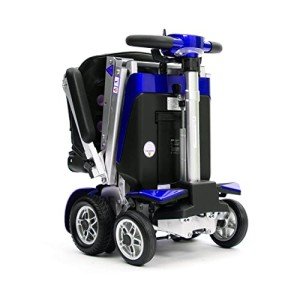
Understanding Mobility Scooters
A mobility scooter is a battery-powered device developed to help individuals with mobility problems. They come in different types, each tailored to various needs and environments. The primary components of a mobility scooter include the frame, motor, battery, and controls. They can be classified into 3 primary types:
- Travel Scooters: Compact and light-weight, these scooters are developed for easy transport and storage. They typically feature features like disassemblable parts, making them ideal for travel.
- Front-Wheel Drive Scooters: These are normally more affordable and suitable for indoor and smooth outdoor surface areas. They are perfect for brief ranges and casual use.
- Rear-Wheel Drive Scooters: Built for sturdiness and power, these scooters are ideal for outdoor use and longer distances. They use better stability and can manage rougher surface.
Key Factors to Consider
When buying a cheap mobility scooters near me (https://www.altondimmer.top/health/best-mobility-scooters-a-comprehensive-guide) scooter, numerous elements should be taken into account to ensure it satisfies your particular requirements and choices.
-
Planned Use
- Indoor vs. Outdoor: Determine where you will mostly use the scooter. Indoor scooters are usually lighter and more maneuverable, while outside scooters are constructed for resilience and can manage rougher surfaces.
- Distance: Consider the optimum range you need to travel. Some scooters have a range of just a few miles, while others can go up to 30 miles or more on a single charge.
-
Size and Weight
- Frame Size: Ensure the scooter is the ideal size for you. Adjustable seats and tillers (guiding columns) can boost comfort and fit.
- Weight Capacity: Check the weight capability of the scooter to ensure it can securely support your weight.
-
Battery and Charging
- Battery Type: Most scooters utilize lead-acid or lithium-ion batteries. Lithium-ion batteries are lighter and have a longer life-span however are more pricey.
- Charging Time: Consider how long it requires to charge the battery and whether you have access to a practical charging place.
-
Features and Accessories
- Seating: Look for a comfy, adjustable seat with good back support.
- Storage: Some scooters feature baskets or storage compartments for carrying personal products.
- Security Features: Features like headlights, taillights, and brakes can boost security, especially for outside use.
-
Budget plan
- Cost: Mobility scooters can vary from a few hundred to a number of thousand dollars. Set a budget and search for models that use the best worth for your money.
- Maintenance: Consider the ongoing expenses of upkeep, such as battery replacement and regular servicing.
Actions to Buying a Mobility Scooter
-
Research and Compare
- Online Reviews: Read evaluations from other users to get a concept of the scooter’s performance and reliability.
- Manufacturer Websites: Visit the websites of trusted producers to get more information about their products and client support.
-
Test Drive
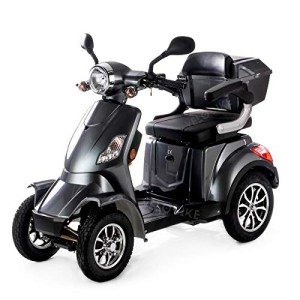
- Local Dealerships: Visit regional dealerships to test drive different models. This will help you get a feel for the scooter’s handling and comfort.
- Ask Questions: Don’t hesitate to ask the sales representative about the scooter’s features, upkeep requirements, and warranty.
-
Speak With a Healthcare Professional
- Medical Advice: If you have specific medical conditions, speak with a healthcare professional to make sure the scooter meets your requirements.
-
Consider Insurance and Assistance
- Insurance coverage: Check if your health insurance covers the cost of a mobility scooter.
- Federal government Assistance: Some government programs provide monetary support for mobility aids.
-
Make the Purchase
- Warranty: Ensure the scooter includes a comprehensive guarantee that covers both parts and labor.
- Delivery and Setup: Arrange for shipment and setup if the scooter is not portable.
Frequently asked questions
Q: What is the difference between a mobility scooter and a power wheelchair?
- A: A mobility scooter is typically utilized for outside and longer distances, while a power wheelchair is more ideal for indoor usage and has a smaller sized turning radius. Mobility scooters are usually simpler to operate and have a more open style, whereas power wheelchairs provide more assistance and are better for users with restricted upper body strength.
Q: How do I choose the ideal size mobility scooter?
- A: Measure your height and weight to guarantee the scooter can accommodate you easily. Look for designs with adjustable seats and tillers to personalize the fit. Test driving the scooter can likewise assist you figure out if it is the right size.
Q: Can I use a mobility scooter on public transport?
- A: Many public transport systems, consisting of buses and trains, are equipped to accommodate mobility scooters. Nevertheless, it’s an excellent idea to examine the specific standards and requirements of your regional transit authority.
Q: How typically do I require to charge the battery?
- A: The frequency of charging depends upon the battery type and the distance you travel. Most scooters can go 10-30 miles on a single charge. It’s a good practice to charge the battery after each usage to maintain its life-span.
Q: What upkeep is required for a mobility scooter?
- A: Regular maintenance consists of checking the battery level, tire pressure, and brake function. It’s also essential to clean up the scooter and keep it totally free from particles. Follow the manufacturer’s guidelines for more in-depth maintenance instructions.
Buying a mobility scooter is a considerable financial investment that can significantly enhance your lifestyle. By considering the aspects outlined in this guide, you can find a scooter that satisfies your needs and provides the flexibility and independence you are worthy of. Whether you’re exploring the outdoors or browsing your everyday routine, a well-chosen mobility scooter can be a dependable companion on your journey.
Extra Resources
- Mobility Scooter Reviews: Websites like Consumer Reports and MobilityScooterExpert provide detailed reviews and contrasts of different models.
- Regional Support Groups: Join regional assistance groups for individuals with mobility problems to share experiences and get suggestions.
- Government Programs: Check with city government agencies for programs that provide monetary help for mobility help.
By taking the time to research and make an informed choice, you can delight in the many benefits of a mobility scooter and continue to live an active and satisfying life.